Why Does My HVAC Smell? 7 Odors, What They Mean and What to Do
| Written by | Ask About HVAC Editorial Team | Expert review | ✓ J.T. Bratcher |
|---|---|---|---|
| Published | Last reviewed | ||
| Sources | 5 cited | Reading time | 4 min |
Quick answer
A light burning-dust smell for the first 10 to 15 minutes of the heating season is usually normal. Most other smells are not. Rotten eggs or a skunk-like odor can mean a natural gas leak: leave the house and call the gas company from outside. A burning plastic or electrical smell, a sharp metallic smell from the furnace, or a sweet chemical smell means turn the system off and call a technician (Trane). Carbon monoxide has no smell at all, so a working CO alarm is your only warning (CDC).
HVAC smells and what to do
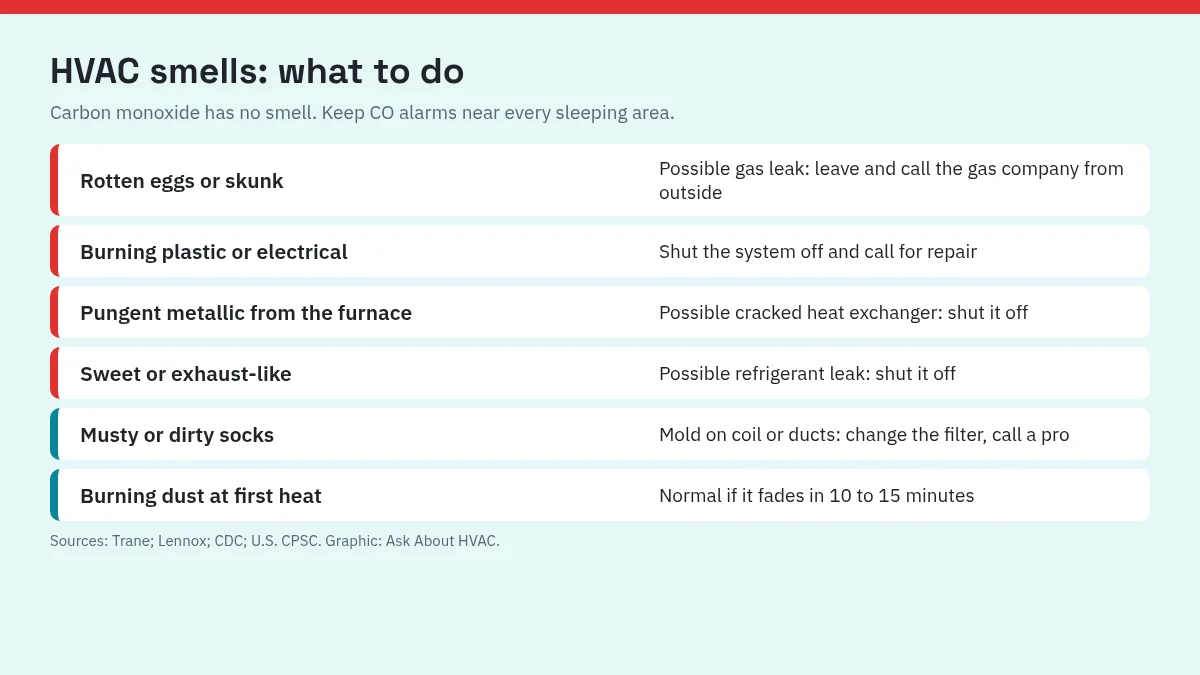
| Smell | Likely cause | What to do | Source |
|---|---|---|---|
| Rotten eggs or sulfur | Natural gas leak (gas has an added odorant) | Leave now; call the gas company from outside | Trane |
| Skunk | Gas leak, a dead animal in the ducts, or cannabis smoke pulled into the return vents | Treat as gas until ruled out; leave and call | Trane |
| Burning dust or toast, first heat of the season | Accumulated dust burning off | Normal if it fades in 10 to 15 minutes | Trane |
| Burning plastic or electrical | Electrical problem at the indoor or outdoor unit | Shut the system off; call for repair | Trane |
| Pungent metallic, from the furnace | Possible cracked heat exchanger | Shut the furnace off; call for repair | Trane |
| Musty, mildew or "dirty socks" | Mold or mildew on the coil or in the ducts | Change a dirty or wet filter; have a pro check coil, drain pan and condensate line | Trane |
| Faint sweet (like nail polish remover) or exhaust-like | Refrigerant leak | Turn the system off; call a certified technician | Trane; Lennox |
Rotten eggs: a gas emergency
Natural gas is odorless, so gas companies add a chemical called mercaptan to give it a strong, unpleasant smell. Trane says that if you smell rotten eggs near your furnace or anywhere in your home, you likely have a gas leak. Leave immediately and call the gas company from outside; they will shut off the gas and locate the leak (Trane). Don't stay to look for the source.
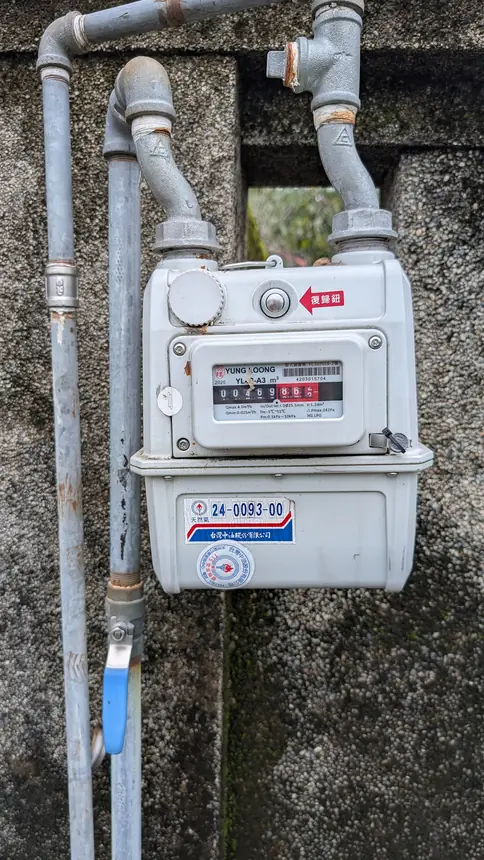
The leak might not be the furnace. Trane notes a gas leak could come from a gas water heater, fireplace or stove as well.
Burning smells: normal or not?
The first time you run the heat after months off, a smell like burning toast is usually dust burning off and should clear in 10 to 15 minutes, according to Trane. If it doesn't fade, or it smells like burning plastic or wiring, shut the system off and call for repairs.
Metallic smell from the furnace
Trane calls a pungent, metallic smell from a furnace serious, because it can be a warning sign of a cracked heat exchanger, and says it's more likely in furnaces 15 or more years old. If you also notice short cycling, banging sounds, or soot around the furnace or flue pipe, Trane says to call for furnace repair and shut the furnace off in the meantime to help prevent carbon monoxide and flue gases from entering the home.
Carbon monoxide has no smell
CDC describes carbon monoxide as an odorless, colorless gas that kills without warning, and lists gas- and oil-burning furnaces among the household sources (CDC). Smell will not warn you. CDC recommends:
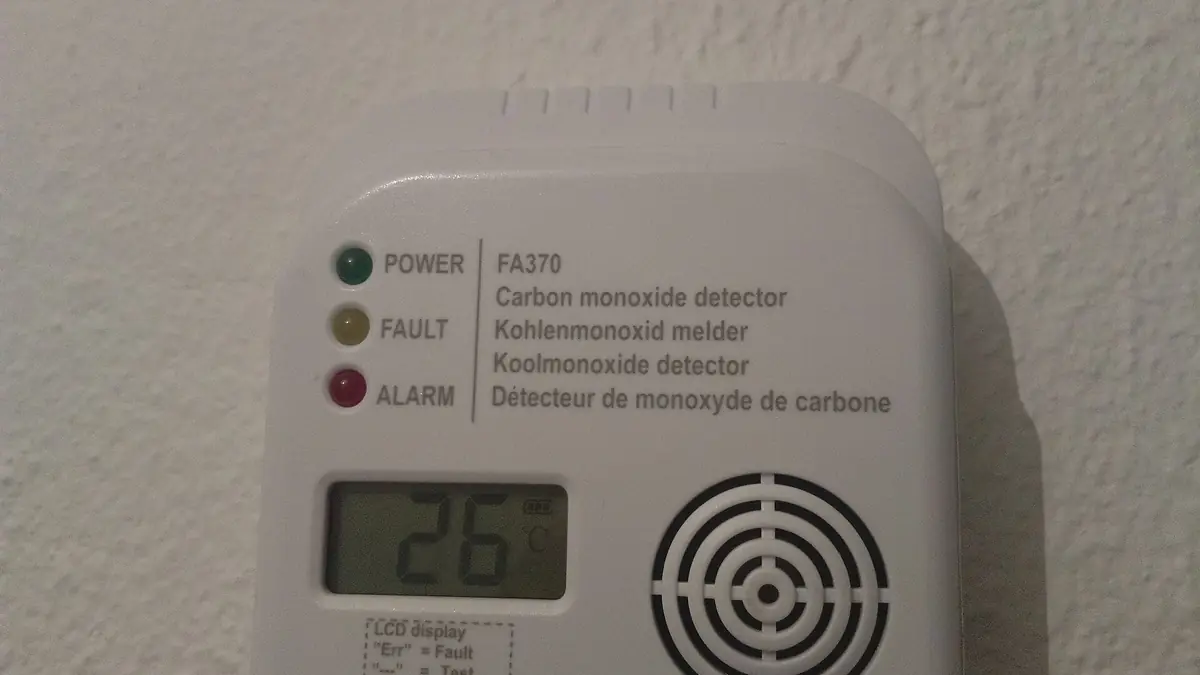
- Battery-operated or battery backup CO detectors near every sleeping area
- Checking detector batteries each spring and fall
- Replacing detectors per the manufacturer's instructions or every 5 years
- Having the heating system, water heater and other fuel-burning appliances serviced by a qualified technician every year
CDC lists the most common symptoms of CO poisoning as headache, dizziness, weakness, upset stomach, vomiting, chest pain and confusion. The U.S. Consumer Product Safety Commission says that if you suspect CO poisoning, get outside to fresh air immediately and then call 911. It also recommends CO alarms on every level of the home and outside sleeping areas (CPSC).
Musty or "dirty sock" smell
Trane says a musty odor from the vents, sometimes called dirty sock syndrome, can come from mold and mildew on the evaporator coil or in the ductwork; some people say it smells like vinegar. Start by checking the filter and changing it if it's dirty or wet. A technician may need to clean the coil and check the condensate line and drain pan.
Sweet or chemical smell
Trane says some refrigerants, such as R-22, can give off a faint, slightly sweet odor like nail polish remover, and Lennox describes an exhaust-like smell with a significant leak. Lennox advises turning the unit off and calling a professional. Our guide to the signs of an AC refrigerant leak covers the other clues, such as hissing near the refrigerant lines.
FAQ
Is it normal for the heat to smell like burning the first time it comes on?
Yes, if it smells like burning dust or toast. Trane says that's usually accumulated dust burning off and should go away in 10 to 15 minutes. A burning plastic or electrical smell is not normal.
What should I do if my furnace smells like rotten eggs?
Leave the house right away and call the gas company from outside. Gas companies add an odorant to natural gas so leaks can be smelled; Trane says a rotten egg smell likely means a gas leak.
Can I smell carbon monoxide from my furnace?
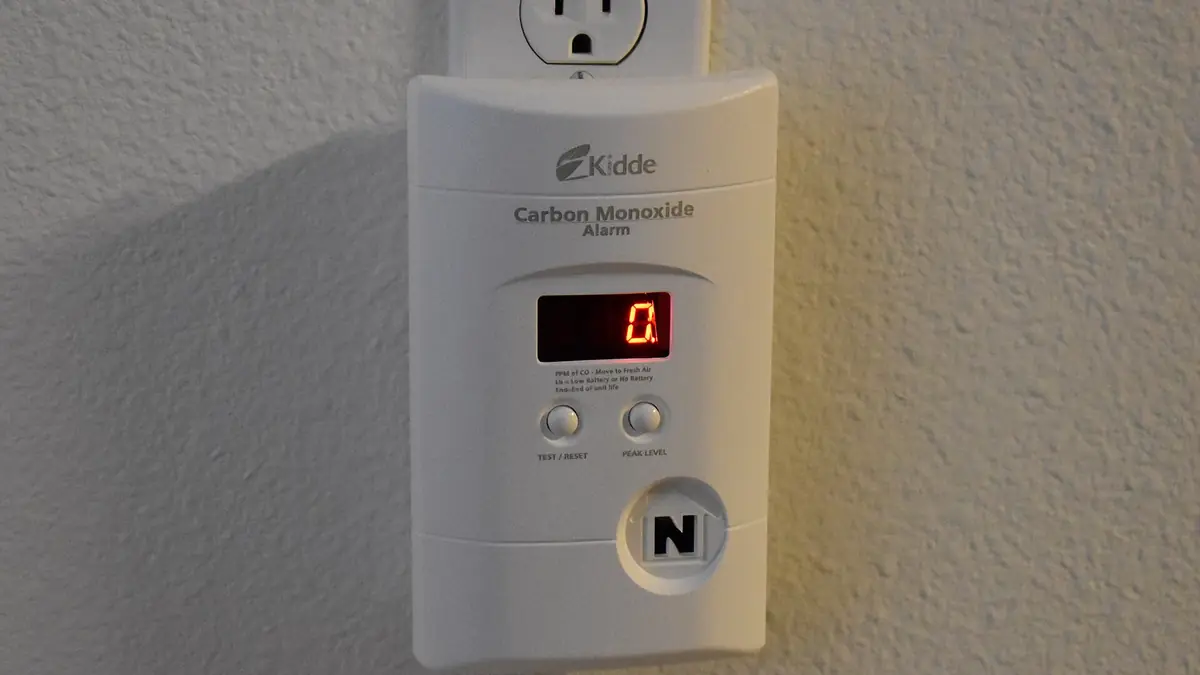
No. CDC describes carbon monoxide as an odorless, colorless gas. Gas- and oil-burning furnaces can produce it, so install battery-operated or battery backup CO alarms near every sleeping area.
Why does my AC smell musty or like dirty socks?
Trane says it's often mold and mildew on the evaporator coil or in the ducts. Check and change a dirty or wet filter, then have a pro check the coil, drain pan and condensate line.
Sources
| # | Source | Site |
|---|---|---|
| 1 | Is This Normal? HVAC Smells and Sounds, Explained, Trane | trane.com |
| 2 | AC Refrigerant Leak Detection and Repair, Trane | trane.com |
| 3 | Signs and Causes of a Refrigerant Leak, Lennox | lennox.com |
| 4 | Carbon Monoxide Poisoning Basics, CDC | cdc.gov |
| 5 | Carbon Monoxide Information Center, U.S. Consumer Product Safety Commission | cpsc.gov |
Every number above was checked against these sources. Found an error? See corrections or email contact@askabouthvac.com.

J.T. Bratcher
- License
- TACLB00138638E
- Type
- Texas Air Conditioning and Refrigeration Contractor License (Environmental, Class B)
- Status
- Current · expires April 11, 2027
- Checked
- October 18, 2026 via TDLR All Licenses dataset (data.texas.gov), license 138638
Related answers
- En · Energy & Bills
What Is a Good SEER Rating in 2026? SEER2 Minimums vs ENERGY STAR
For a new central AC, the federal minimum is 13.4 SEER2 in the North and 14.3 SEER2 in the Southeast and Southwest (split systems under 45,000 Btu/h). ENERGY STAR requires 15.2 SEER2 and 12.0 EER2. A good rating is at least the ENERGY STAR level, higher if you cool many hours a year.
- Ac · Air Conditioning
What Size Central Air Unit Do I Need? Why Square Footage Isn't Enough
The right central AC size comes from an ACCA Manual J load calculation, not square footage. The old rule of 1 ton per 400 to 500 sq ft ignores climate and insulation; DOE notes 1 ton can cool 800 to 1,000 sq ft of a very efficient house. Here's how sizing works and what to ask your contractor.
- Ac · Air Conditioning
AC Refrigerant Leak Signs: 7 Clues and What to Do Next
Common signs of an AC refrigerant leak: warm air from the vents, higher humidity, ice on the coil or lines, hissing or bubbling, oily residue at fittings, and rising bills. Shut the system off and call an EPA-certified technician to find and fix the leak, not just top it off.